
Is Your Home Suitable for an Air Source Heat Pump?
By Rhino Heating Services LTD
What makes a home suitable for an air source heat pump?
A useful assessment is not just a check of whether a heat pump can be fitted. The key question is whether the system can meet your home’s heating and hot water needs, and how much work may be needed to make it do so well. Insulation, heat loss, radiators, controls, hot water arrangements and the outdoor unit’s position all matter. Their effect varies from one property to another, including homes across Cromer and North Norfolk.
That is why the age of a property alone does not settle the question. An older home may be suitable if its heat loss and heating system can be addressed. A newer home can still need careful planning if its layout, radiators or underfloor heating or available outdoor space create complications.
Start with how the home loses heat
A heat pump’s output needs to match the heat escaping from the rooms. Heat loss is affected by the building’s construction, insulation, windows, draughts and the amount of external wall or roof area. If a room loses heat quickly, its heating system has to replace that loss quickly enough to keep the room comfortable.
This is why insulation is relevant, but it is not a simple pass or fail. Improving insulation can reduce the amount of heat the home needs, which may make it easier to heat using a lower water temperature. The practical question is which improvements are worthwhile and whether they can be carried out without disproportionate disruption. The answer may differ between a draughty room, a loft space and a solid-wall property.
A room-by-room view is more useful than assuming that the whole house behaves alike. A well-insulated extension may have different needs from an older part of the building. Consider where you notice rooms taking longer to warm or losing heat quickly. Those observations can help frame an assessment, but they cannot replace calculating the property’s heating requirements.
Check what the radiators and pipework need to do
Heat pumps generally heat water to a lower temperature than many conventional boiler systems. That changes the question from “Are there radiators?” to “Can the radiators provide enough heat at the temperatures the proposed system will use?”
Some existing radiators may be suitable. Others may need to be larger or replaced, particularly where a room has a higher heat loss. Underfloor heating can work well with lower water temperatures, but it is not a requirement for every home. The answer depends on the room, the heat demand and the existing system.
This also explains why simply connecting a heat pump to the current boiler pipework does not establish that the result will suit the household. The system needs to be considered as a whole, including radiators or underfloor heating, controls and how heat is distributed around the property. Changes to one part can affect what is needed elsewhere.
Think through hot water and daily use
Your current hot water setup matters too. Homes with a combination boiler may not have a separate hot water cylinder, while other properties may already have one. A heat pump installation may therefore involve different changes depending on the existing arrangement and the household’s hot water use.
Think about when hot water is used, whether demand is concentrated at particular times and where a cylinder could be accommodated if one is needed. These details help identify practical constraints early. They also help distinguish a technically possible installation from one that fits the way you use your home.
Check the outdoor unit’s position
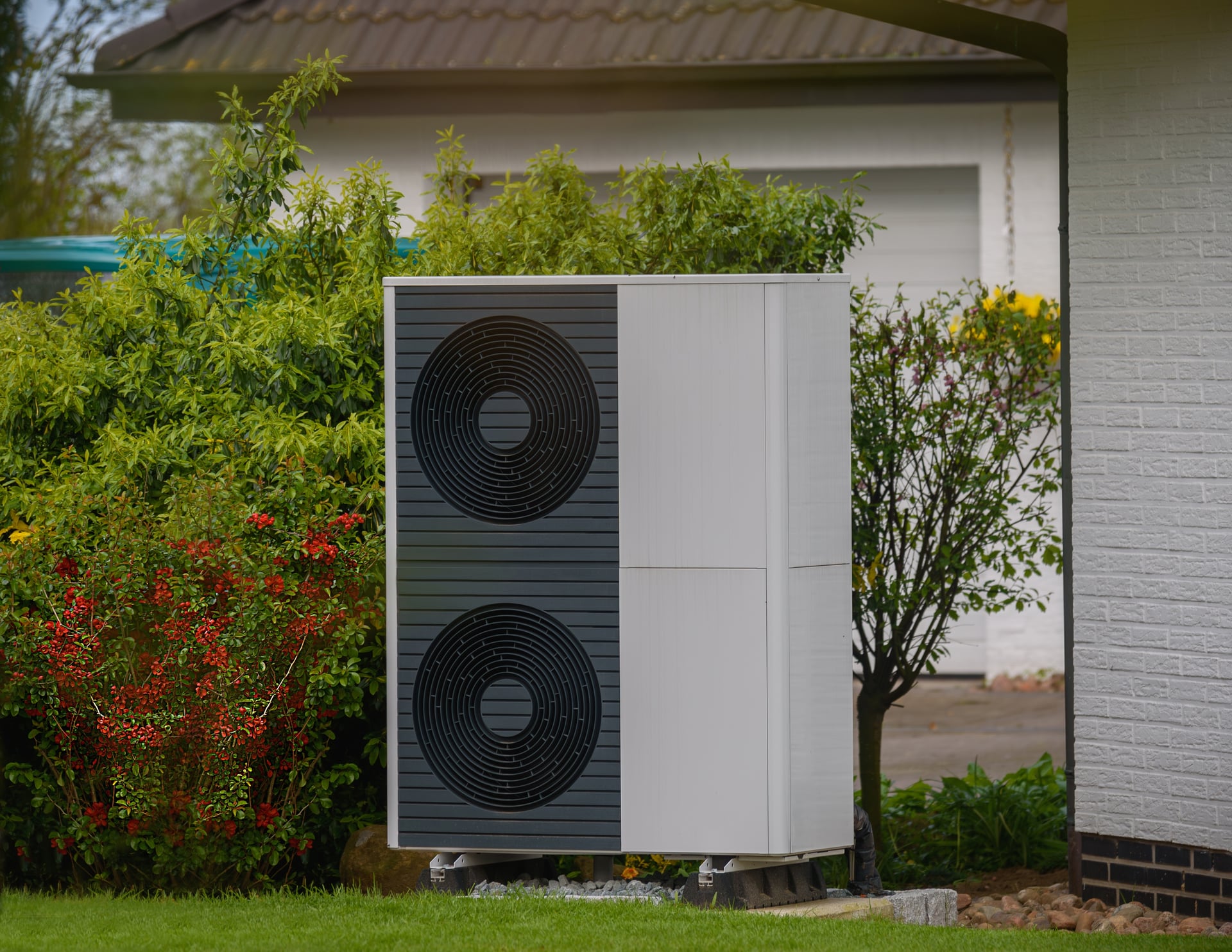
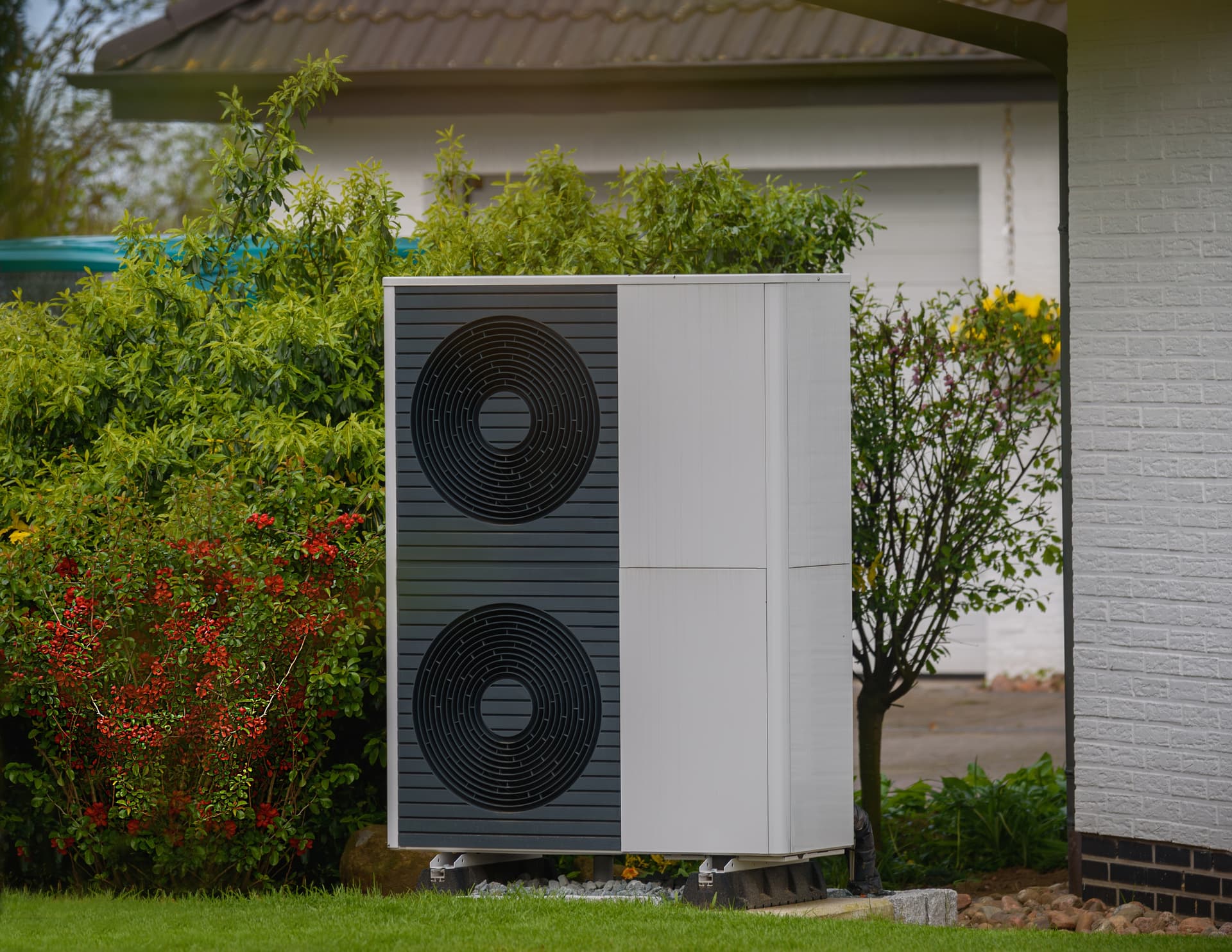
An air source heat pump needs an outdoor unit, so its position has to work for the property as well as the equipment. Available space, access, airflow, pipe routes and the relationship to nearby rooms and neighbours can all influence the options.
A narrow side passage, a busy outdoor area or a long route back to the heating system may affect where the unit can sensibly go. Do not assume that any clear patch of ground will be appropriate. A site assessment should consider the actual layout and how the proposed position relates to the home and surrounding properties.
So, how do you judge your property?
Bring these points together rather than treating any one feature as decisive: how much heat the home loses, whether its radiators or underfloor heating can deliver enough warmth, what changes the hot water arrangement needs, and whether there is a suitable position for the outdoor unit. The existing heating system and the household’s routines help complete the picture.
If you are considering an installation in Cromer, Norwich or elsewhere in North Norfolk, we can discuss the property and what needs to be assessed before a recommendation is made. Here at Rhino Heating Services LTD, we provide air source heat pump installation and servicing. For an overview of the service, visit our Air Source Heat Pump Installation & Servicing page.
More From Our Blog



What our clients say about our work
 Google
Google
Google